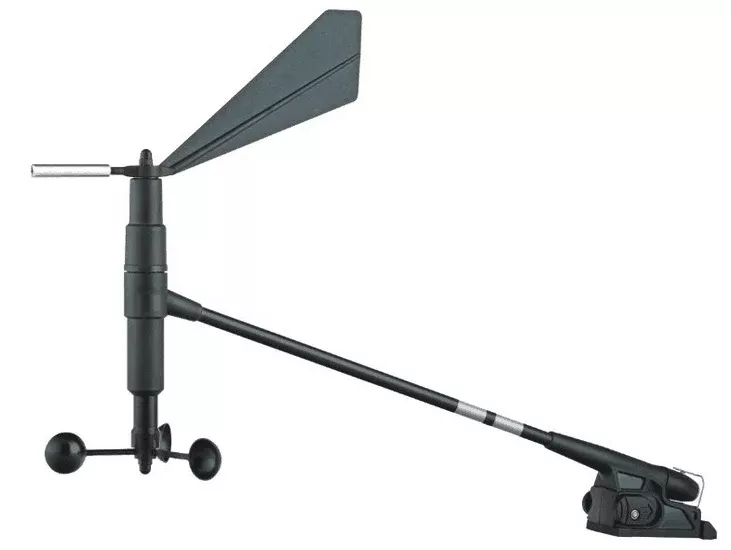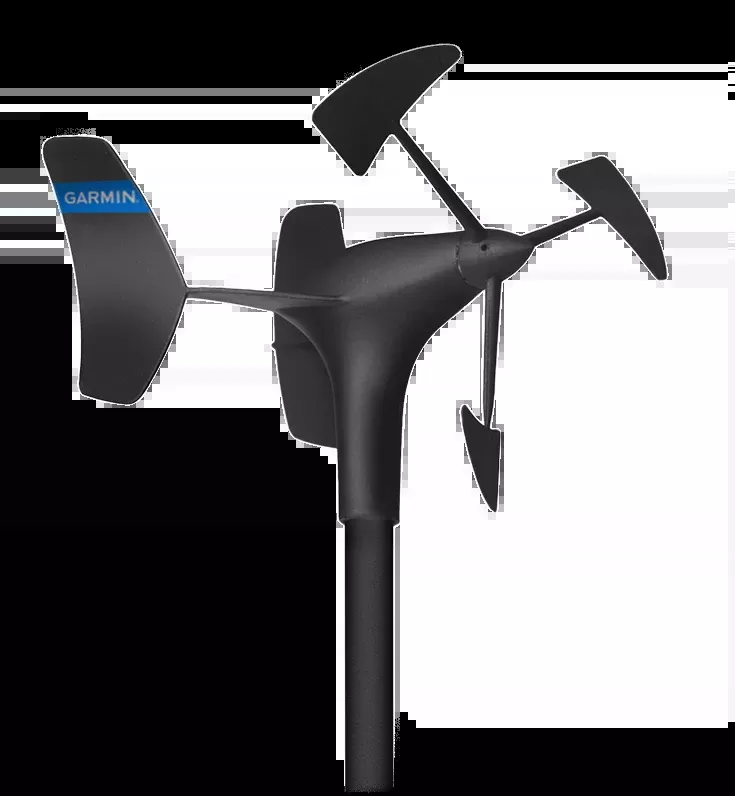
- Designed for racing boats
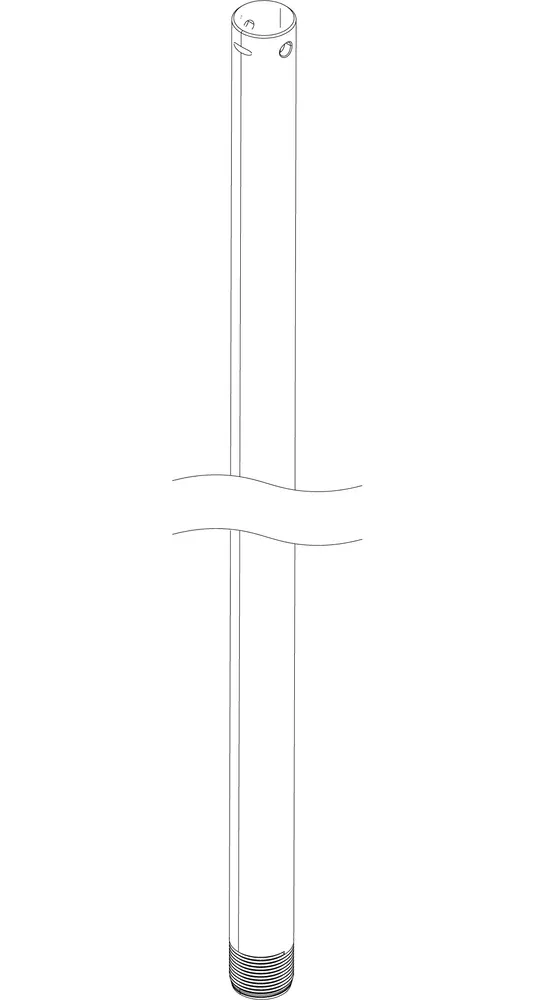
- One-meter rod that raises the wind transducer above the mast to erase the turbulence errors generated by the waves during navigation
- Three-blade propeller to obtain a more accurate real wind speed (TWS) with gentle winds while the double-blade design provides a more stable real wind angle (TWA)
- Reading technique that provides superior performance with gentle winds and excellent linearity
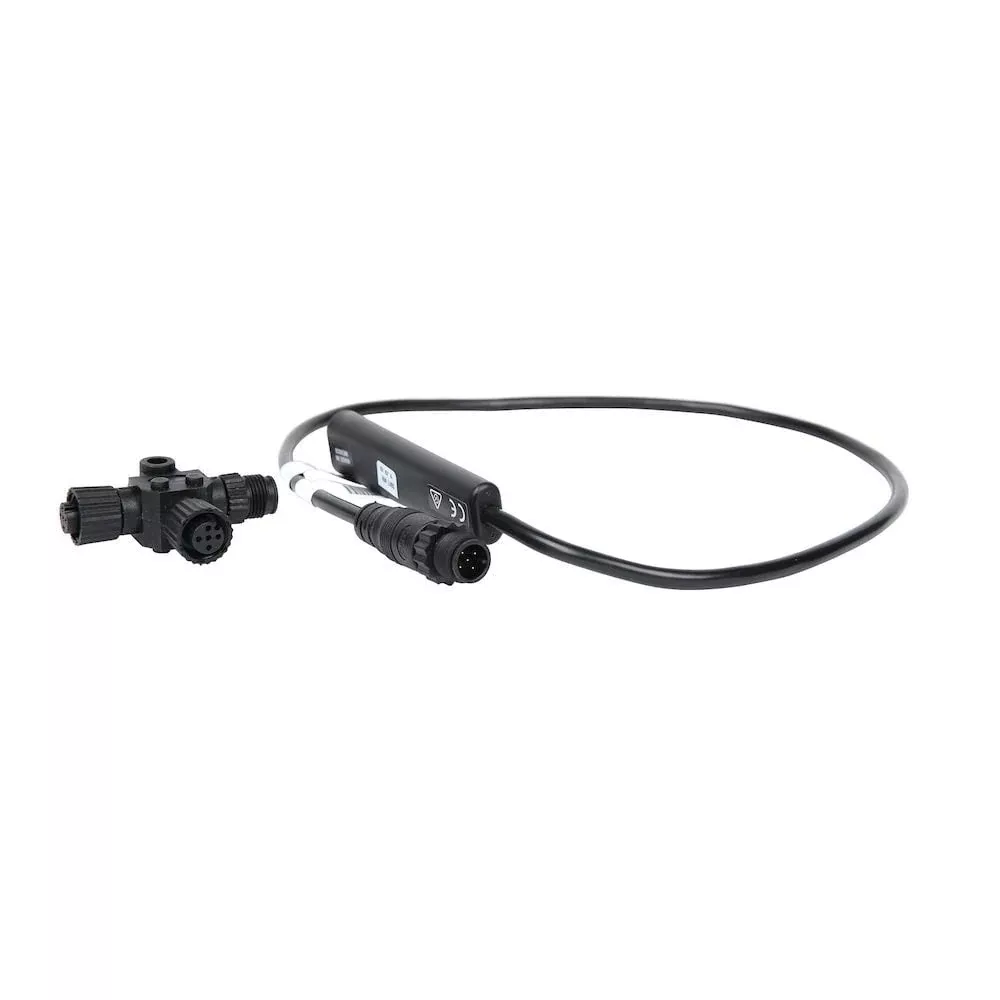
- The GND™ 10 black box converts data from the NMEA 2000® network to the Nexus network and allows compatible Garmin plotters to be integrated into Nexus navigation equipment and vice versa
Designed for racing boats, the gWind Race transducer includes a one-meter rod to raise the double fin with the 3-blade propeller above the mast to eliminate turbulence errors. It incorporates double fin technology with three-blade propeller to obtain a more accurate real wind speed with gentle winds, while its double-fin design provides a more stable real wind angle. The three-leaf helix, unlike that of the cup-shaped design, is always efficient.
Along with optical reading, this transducer provides superior precision with soft winds and excellent linearity. And all connected with the lightest of cables. The included black box GND 10 converter allows the Nexus network and compatible Garmin plotters to share essential data from the NMEA 2000 network. Simple plug-and-play installation between Nexus, Garmin and NMEA 2000 plotters.
Specifications:
| Misc |
|
FAQs
Disassemble the connector, place pressing screw, pinch ring, seal, and sleeve on the cable, attach wires, then assemble.
Always wear safety goggles, ear protection, a dust mask, and use caution working from heights.
Slide the pole into the bracket, align the cable forward, drill holes through the bracket and pole, and secure with the included hex screw and lock nut.
Clean with mild soap solution, rinse with water, avoid detergents or high-pressure water. Store dry if unused long-term.
The NexusRace software is required for advanced calibration of the gWind Race sensor, which must be connected via the GND 10.
If the mast head isn’t horizontal, add a shim to create a suitable surface for the bracket.
Adjust the wind angle offset in the NMEA 2000 settings on the marine instrument.
The cable opening at the pole indicates the front and should point forward, parallel to the boat’s center line.
Contact the SailRACE team — as certified marine experts we’re happy to help with product selection, installation and after-sales servicing, before and after your purchase.