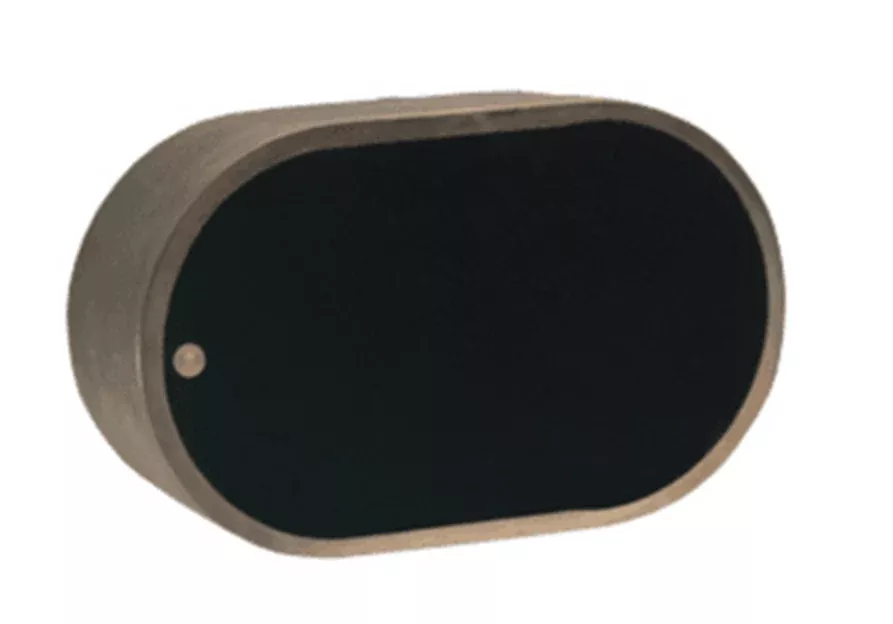
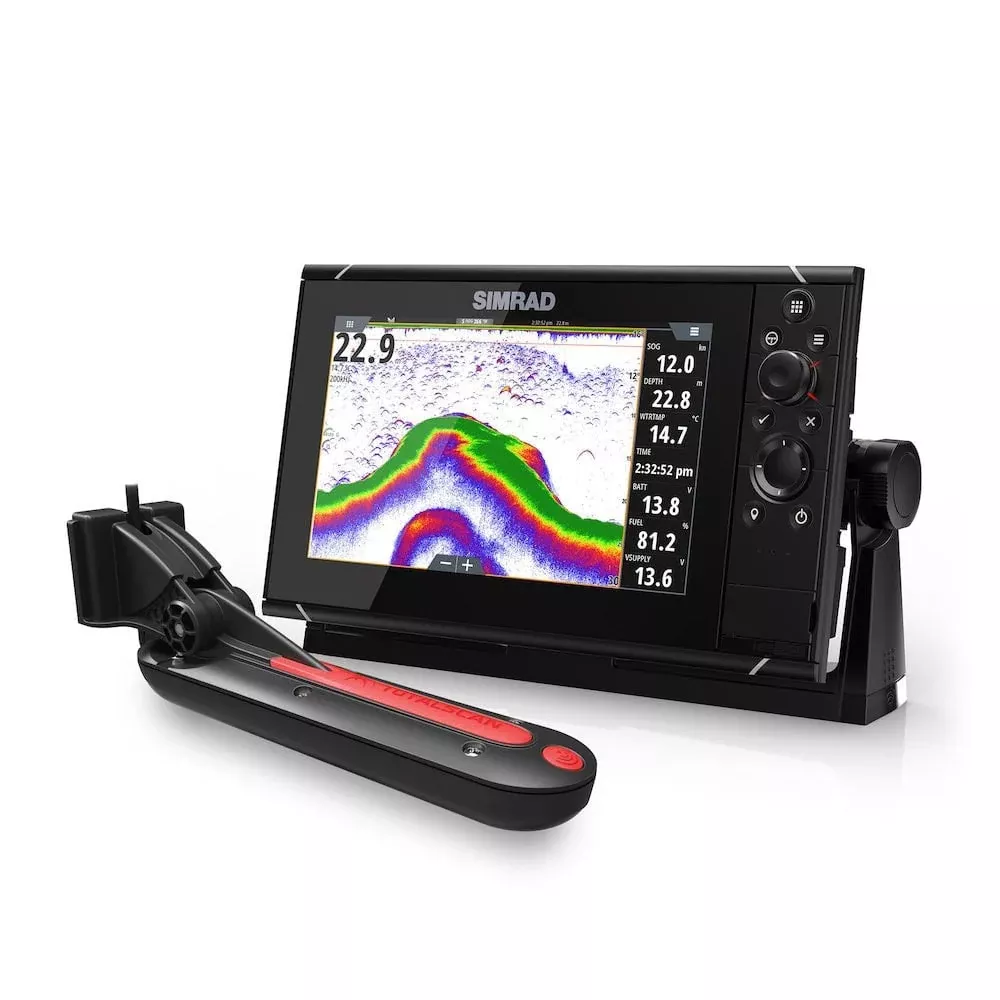
Designed for reduced drag and optimum sonar performance on fishing and cruising boats, this flush-mounted 1 kW midband CHIRP (80–165 kHz) transducer clearly defines fish arches, structure and bottom depth returns on your display.
Midband CHIRP traditional sonar
This 8-pin 1 kW stainless steel thru-hull transducer features high-definition midband CHIRP sonar that clearly defines fish targets and structure down to 1,800’ in saltwater and 2,400’ in freshwater.
Broad frequency range
Use the perfect frequency for the waters you’re fishing. Covering the medium frequency range, this transducer pulses from 80–165 kHz, displaying a wide coverage area, clear fish arches and accurate depth readings.
Optimum ping sensitivity
Offering excellent sonar sensitivity, low noise, high resolution and good separation of targets, this robust transducer makes it easier than ever to distinguish fish and structure on your compatible chartplotter display.
THRU-HULL Installation
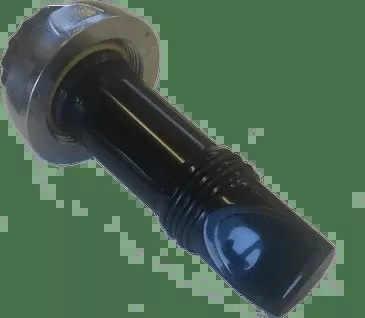
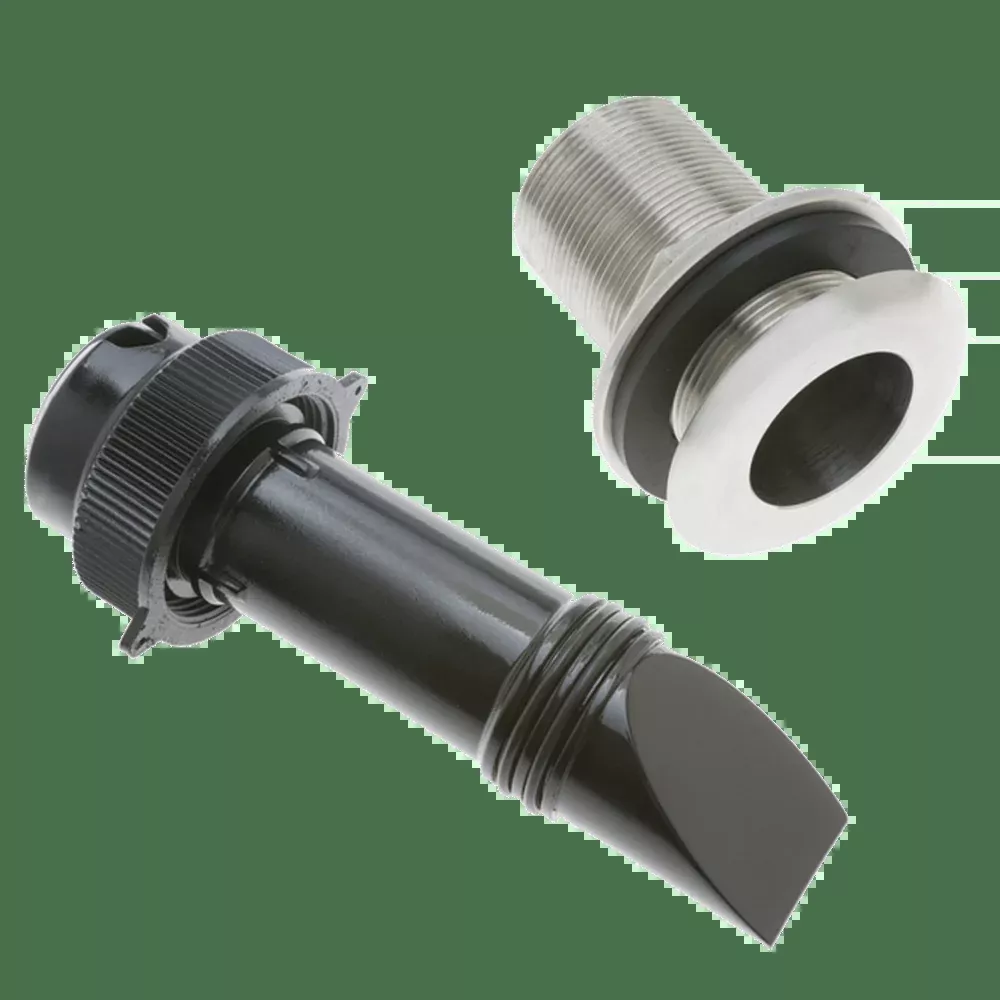
A durable stainless steel housing and stem offer straightforward thru-hull flush mounting for minimum drag and optimum beam orientation for clear sonar returns.
AUTO-ID Technology
Enjoy simple plug-and-play operation with Garmin auto-identification technology — which enables the sonar to automatically configure itself to the transducer being used.
Fits various hull types
Configurable for a wide variety of boat hull materials, including fiberglass, composite, steel, aluminum and wood, the transducer is available in a range of tilt versions to accommodate deadrise angles of 0-24 degrees without a fairing block.
Content:
- GT17M-THF transducer
- Jam nut
- Spacer
- 2 washers
- 2 set screws
- Thread isolator
- Hull isolator
- Documentation
Specifications:
General |
|
| Transducer frequency | Medium band CHIRP (80-165 kHz) |
|---|---|
| Transducer power | 1 kW |
| Transducer beamwidth | 9°-18° |
| Transducer maximum depth | 1800 ft saltwater; 2400 ft freshwater |
| RapidReturn™ sonar compatible | Yes |
| Transducer cable length | 50 ft |
| Transducer depth/speed/temperature | Depth, temperature |
| Transducer number of pins | 8-pin |
| Transducer supported deadrise/transom angles | 20° supports hull deadrise angles from 16° to 24° |
| Housing material | Stainless steel |
FAQs
Install all included galvanic isolation components. Use a 101 mm (4 in.) hole saw for the mounting hole. Do not omit galvanic isolation hardware.
Yes, marine sealant must be applied to the flange, housing, and threads to ensure a watertight seal between the transducer and the hull.
A 98 mm (3 7/8 in.) hole saw is recommended for solid fiberglass hulls and the initial cut in cored fiberglass hulls.
Match the transducer’s angle (0°, 12°, or 20°) to your hull’s deadrise as measured at the installation location for optimal performance.
Wear safety goggles, ear protection, and a dust mask when drilling, cutting, or sanding. Do not use the cable to pick up or pull the transducer.
Check your boat for leaks before leaving it in the water for an extended period. Inspect around screw holes below the water line.
The transducer should be in clean, non-turbulent water, avoiding areas with strakes, struts, or fittings. It must not be mounted where it may be jarred or in the propeller’s path.
Route the cable away from engine and other wiring to avoid interference, use grommets, and secure with zip ties. Do not pull or lift by the cable.
Apply a 4 mm layer inside the flange and a layer around the housing where it contacts the hull.
Yes, you can purchase an extension cable from your Garmin dealer if it is not long enough to reach the chartplotter or sonar unit.
Yes, always operate the transducer when it is submerged in water to avoid overheating and damage.
Contact the SailRACE team — as certified marine experts we’re happy to help with product selection, installation and after-sales servicing, before and after your purchase.