The information you need to get to sea
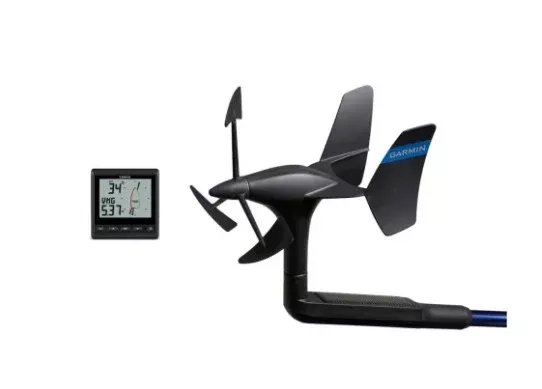
- Includes the GNX™ Wind instrument and the gWind™ Wireless 2 transponder
- GNX Wind provides 2 data fields and a digital wind rose simultaneously that show real1 and apparent data on the wind, the steering pilot, the speed of the boat and much more
- It shows real1 and apparent information about the speed and angles of the wind, the real direction1 of the wind, the speed of the boat, the speed on land, the speed of advance, the course, course on land and the close
- Includes the easy-to-install gWind Wireless 2 transducer, which eliminates cables that pass through masts up to 15 m (50 ft)
- The internal battery charged by solar energy lasts up to 3 years and is easy to replace
- With the combination of the GNX Wind instrument and the gWind Wireless 2 transducer you will get all the information about the wind.
GNX Wind Instrument
GNX Wind provides the wind data necessary to make decisions with determination. GNX Wind includes a high-visibility vitrified monochrome LCD screen with customizable backlight colors, and connects through the NMEA 2000® network to display 2 data fields and a digital wind rose simultaneously to display real1 and apparent wind data, indications about direction, boat speed and much more. Low energy consumption, 350 mW during the day (without backlight) and 400 mW at night (with an average level of backlight), ideal for sailing boats. The customizable user settings allow you to configure the layout of the screen as you like. The screen settings include more than 15 important nautical parameters on wind, speed and navigation. It can even be connected wirelessly with the quatix® 3 nautical smartwatch with GPS through ANT® technology to transmit wind data directly to your wrist.
gWind Wireless 2 Transducer
gWind Wireless 2 offers an easy-to-install solution that eliminates cables that pass through masts up to 15 m (50 ft). Precise wind signals are sent through an ANT connection directly to a GNX Wind instrument or a compatible Garmin GPSMAP® plotter. The transducer includes its famous Nexus® double fin technology with a 3-blade propeller, which provides precise wind speed and a stable wind angle in mild wind conditions. It is also available in a wide selection of wind and navigation packages (sold separately) that can be used as independent or expanded wind systems with complete network systems through NMEA 2000.
Specifications:
| Misc | gWind Wireless 2 Transducer
GNX Wind Instrument:
|
FAQs
Wear protection when drilling/cutting and check behind surfaces before drilling. Avoid mounting near compasses and excessive heat.
Only use the correct replacement battery. Do not puncture, disassemble, or expose the battery to extreme conditions.
If the masthead isn’t horizontal, use an appropriate shim to create a horizontal surface before installing the wind transducer.
Mount on a flat, strong surface not exposed to extreme temperatures or vibration, and keep at least the compass-safe distance.
Mount on a horizontal surface at the masthead using the supplied bracket and screws; add a shim if no flat surface is available.
Connect to the vessel’s NMEA 2000 network using the provided cables or by creating a basic network if needed.
Cover unused connectors with the attached weather caps to prevent corrosion of the metal contacts.
It should face the boat’s front; if not, adjust the orientation via the ANGL setting on the GNX device to correct the angle offset.
On the GNX Wind, use the ANGL setting to enter the number of degrees the sensor is offset from exact forward.
Use mild soap and water, avoid detergents or high-pressure water, and store in a dry location if unused for long periods.
Contact the SailRACE team — as certified marine experts we’re happy to help with product selection, installation and after-sales servicing, before and after your purchase.