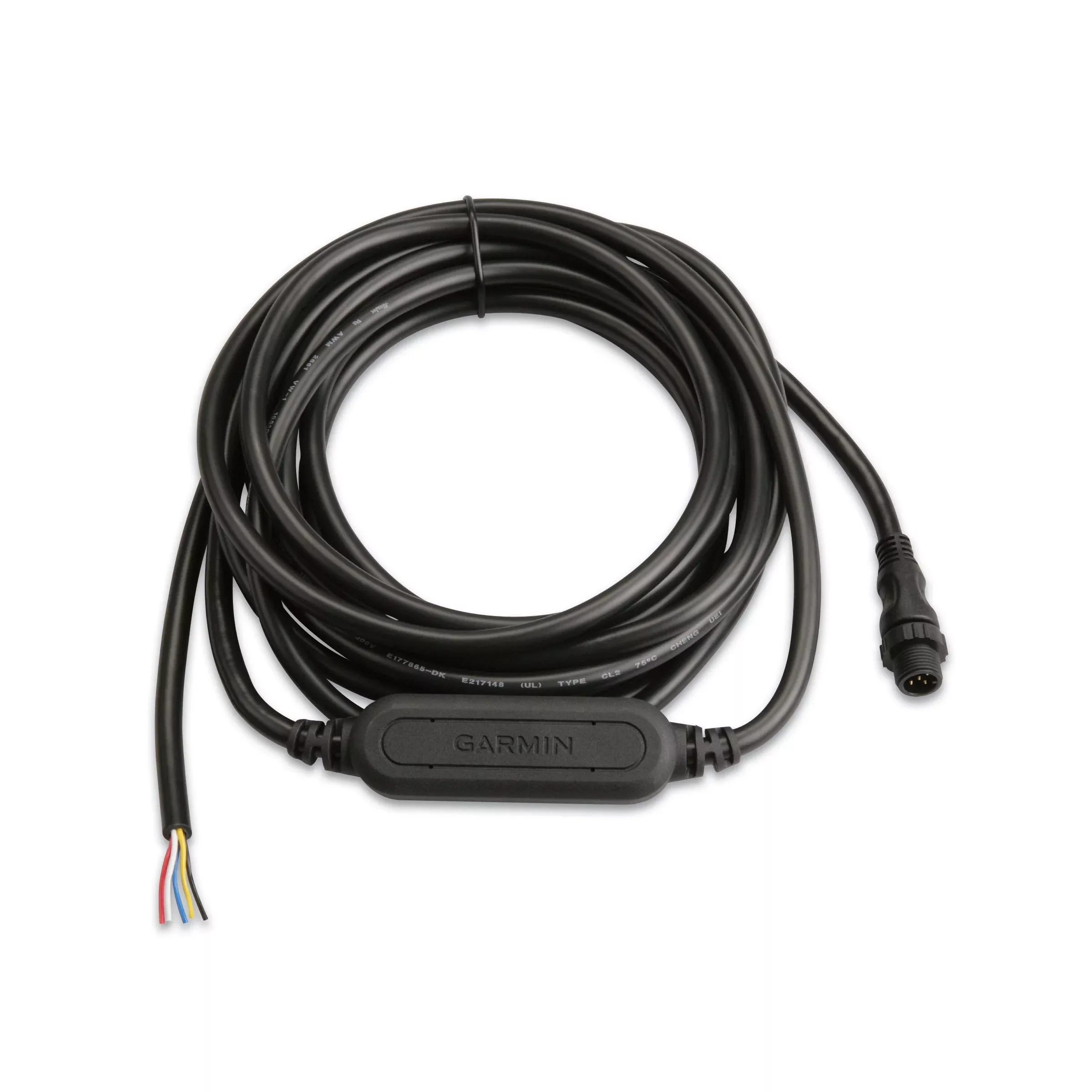
With the analog adapter for tilting/cutting the Garmin NMEA 2000 engine on your boat, you will be able to give new life to your old indicators and make the transition from an analog to a digital system. The easy-to-use adapter collects the data generated by traditional analog indicators and converts the data into an NMEA 2000 signal so that you can create and expand your network without replacing all the boat’s equipment.
Connect to your network
With the Garmin GET 10 adapter, you can convert the analog information provided by the engine tilt sensor (not included) of the boat and send it to the NMEA 2000 network. Thanks to the GET 10 adapter, it is easier to observe the motor inclination information on the compatible Garmin screens that you have connected to the NMEA 2000 network.
Simple update
Garmin’s NMEA 2000 range of analog adapters is easy to add to an existing marine network. Once installed, the adapter data can be viewed through the Garmin GMI 10 digital nautical display and other compatible Garmin devices. The ease of installation will help you move your old controls to the digital age.
Features:
- Dimensions of the unit, width X height X depth: 31/32″ X 43/64″ X 3 3/32″ (24.7 X 17 X 78.6 mm)
- Weight: 12.85 oz (365 g)
- Total cable length: 16 ft (4.9 m)
- Temperature range: from 5 °F to 158 °F (from -15 °C to 70 °C)
- Safety distance of the compass: 2 in (5 cm)
- Power supply: 9–16 V of DC from the NMEA 2000 communications link
- Power consumption NMEA 2000: 1 W max.
- Load equivalence number (LEN) NMEA 2000: 2 (100 mA)
FAQs
After wiring, cover exposed wires with heat-shrink tubing, and wear safety equipment when drilling or cutting.
Install within 173 in. of the analog gauge or engine-tilt sensor, avoid areas of routine submersion, and keep at least 2 in. from compasses.
Maintain at least 2 in. (5 cm) distance from a magnetic compass to prevent interference.
Connect the blue wire to sensor, white to gauge power, black to ground. Do not remove any wires from the gauge terminals.
Yes, you can wire directly to the sensor. Consult your sensor’s manual for terminal identification before connecting.
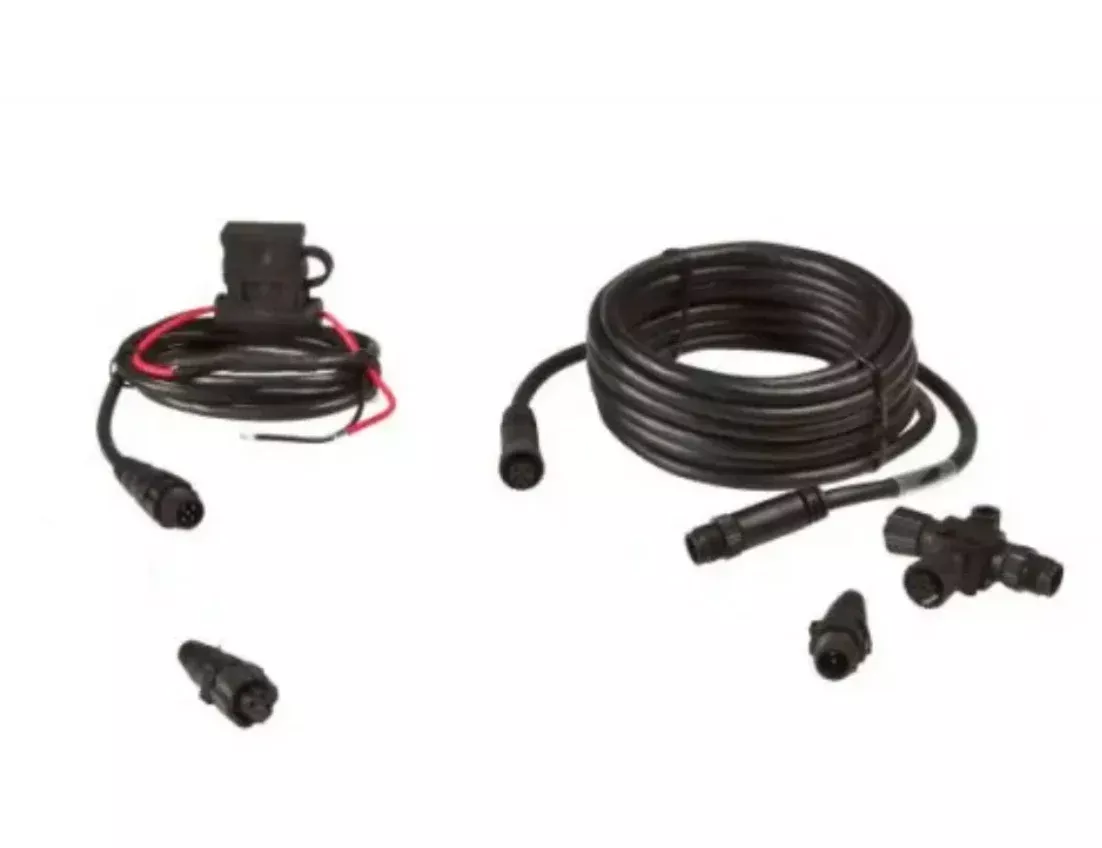
Connect to the existing NMEA 2000 backbone using the included T-connector; use a drop cable if direct connection isn’t possible.
It requires 9–16 Vdc from the NMEA 2000 bus; it draws 1 W maximum and has a LEN of 2 (100 mA).
Engine tilt calibration is performed via your Garmin display: select the GET 10 device and follow on-screen instructions.
Yes, set the engine number in the NMEA 2000 Devices list under the GET 10 configuration menu.
Contact the SailRACE team — as certified marine experts we’re happy to help with product selection, installation and after-sales servicing, before and after your purchase.